
Explore Unique Fiber Art Pieces

Fiber art is a vibrant and exciting world! It combines creativity, texture, and color in ways that can transform any space. If you love art that you can touch and feel, fiber art is for you. Today, I want to take you on a journey through unique fiber art pieces. You’ll discover what makes them special, how to appreciate them, and where to find some amazing creations.
What Makes Fiber Art So Unique?
Fiber art is different from other art forms because it uses materials like yarn, fabric, thread, and natural fibers. Artists weave, knit, crochet, or stitch these materials into stunning works of art. The texture and depth you get from fiber art are unmatched!
Here are some reasons why fiber art stands out:
Tactile Experience: You can feel the texture, which adds a sensory dimension.
Versatility: From wall hangings to wearable art, fiber art covers many forms.
Sustainability: Many artists use recycled or natural fibers, making it eco-friendly.
Cultural Richness: Fiber art often reflects cultural traditions and stories.
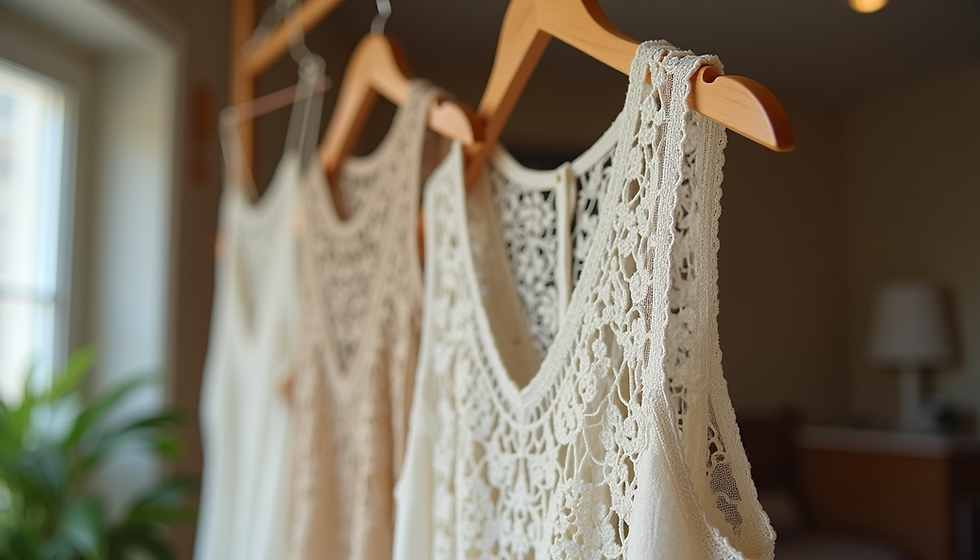
Imagine a cozy wall hanging made from hand-dyed wool or a delicate lace piece crafted with care. These are not just decorations; they are stories woven into fabric.

Discovering Unique Fiber Art Pieces
When you explore unique fiber art pieces, you’ll notice the incredible variety. Each piece tells a story through its colors, patterns, and textures. Some artists focus on traditional techniques, while others push boundaries with modern designs.
Here are some types of fiber art you might encounter:
Knitting and Crochet - Intricate patternes making fabrics that often create clothing or abstract designs.
Embroidery - Detailed stitching that adds texture and imagery to beads and jewelry.
Quilting - Layered fabric pieces sewn together to create patterns or pictures. I often use quilting designs in my knit and crochet clothing structures.
Macramé - Knotted designs that create decorative items like plant hangers, delicate jewelry or wall art.
Felting - Using wool fibers to create dense, sculptural pieces or colorful vessels.
Each technique offers a unique way to express creativity. For example, a garment might use bold colors and geometric shapes, while embroidery can add delicate underwater scenes to a focal necklace.
If you’re looking to add a special touch to your home or wardrobe, consider exploring unique fiber art for sale from local artists. You’ll find one-of-a-kind pieces that you won’t see anywhere else!
How to Appreciate Fiber Art Like a Pro
Appreciating fiber art is about more than just looking. It’s about understanding the skill, time, and passion behind each piece. Here’s how you can deepen your appreciation:
Examine the Details: Look closely at the stitching, weaving, or knots. Notice the precision and care.
Feel the Texture: If possible, touch the piece to experience its texture. This adds a new layer of connection.
Learn the Story: Many fiber artists share the inspiration behind their work. Knowing the story makes the art more meaningful.
Consider the Materials: Natural fibers like wool, cotton, and silk have different feels and qualities.
Observe the Colors: Colors can evoke emotions and set the tone of the piece.
For example, a handknit scarf might use natural dyes that create subtle color variations. These nuances show the artist’s dedication to their craft.

Tips for Collecting and Displaying Fiber Art
Collecting fiber art is a rewarding hobby! Here are some tips to help you start or grow your collection:
Start Small: Begin with smaller pieces like a neck scarf or mini wall hangings.
Visit Local Art Shows: Southern Oregon has many craft fairs and galleries where you can meet artists.
Ask Questions: Don’t hesitate to ask about the techniques and materials used.
Consider Your Space: Think about where you want to display the art. Fiber pieces can brighten up any room.
Use Proper Display Methods: Wearing it or hang it using rods, frames, or shadow boxes to protect and showcase your treasure art.
Displaying fiber art properly helps preserve it and highlights its beauty. For example, a Scarf or shawl looks stunning hung on a wooden rod in a living room as well as functionally around your neck, adding warmth and texture.
Join the Fiber Art Community
One of the best parts of exploring fiber art is connecting with others who share your passion. Southern Oregon has a vibrant community of artists and crafters eager to share their knowledge and creativity.
Here’s how you can get involved:
Take Workshops: Learn new techniques like knitting, crochet or felting.
Attend Meetups: Join local fiber art groups or clubs.
Visit Creative Hubs: Places like Sharon Bedford Designs' "Studio Arts Connection" on Stephens St in Roseburg offer supplies and classes to fuel your creativity.
Share Your Work: Whether you’re a beginner or experienced, sharing your projects can inspire others.
Support Local Artists: Buying unique fiber art supports the community and keeps the craft alive.
Being part of this community is inspiring and fun! You’ll find endless opportunities to learn and grow your skills.
Ready to Explore Your Own Fiber Art Journey?
Fiber art is a wonderful way to express yourself and bring beauty into your life. Whether you want to create your own pieces or collect unique fiber art, there’s something for everyone. Dive into the textures, colors, and stories that fiber art offers. Remember, every piece is a labor of love and creativity.
I hope this post has sparked your interest and given you practical ideas to explore unique fiber art pieces. Don’t forget to check out local artists and creative hubs for the best finds. Happy crafting and collecting!
Warmly,
Your Fiber Art Enthusiast


Comments